In the electric meter manufacturing industry, product quality and cost control have always been core challenges for enterprises. A vertically integrated electric meter company incorporates key industrial chain links into its own system, achieving full-process control from core components to end products. This in-depth integration model not only ensures consistent product quality but also creates tangible cost advantages.
Vertical Integration Strategy: The Core Competitiveness of Electric Meter Companies
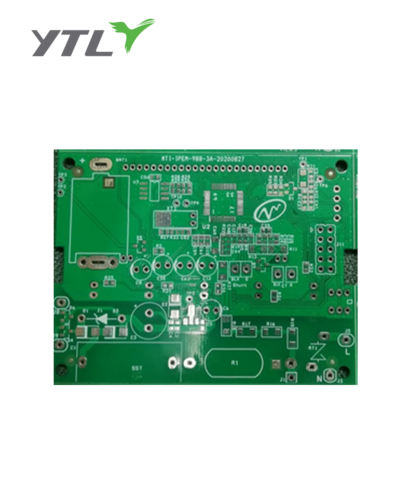
Vertical integration is a key strategic choice for modern electric meter companies to achieve sustainable development. Typically, such companies integrate key links—including metering chip R&D, PCB design and production, and mold development and manufacturing—into their internal operations. This integration enables direct control over the entire product manufacturing process, ensuring each link adheres to unified quality standards. Compared with companies relying on external supply chains, vertically integrated ones gain clear advantages in product consistency and quality stability, while responding more promptly to market changes.
Core Component R&D: The Technological Foundation
At the core component R&D stage, vertically integrated companies lay a solid foundation for product quality. Those emphasizing technological accumulation establish specialized chip R&D centers to independently design metering chips and communication modules. Independent R&D of core components allows precise control over basic product performance indicators, ensuring stable measurement accuracy and communication reliability over the long term. This technological control from the chip level grants greater autonomy in product performance optimization and cost management.
Manufacturing System: Quality Assurance
Vertically integrated companies build comprehensive quality assurance systems in manufacturing. Modern enterprises invest heavily in automated production lines, advanced SMT equipment, and testing instruments. In SMT processing, high-precision placement machines and reflow soldering equipment guarantee component soldering quality. During assembly and testing, multiple inspection processes—including in-circuit testing, functional testing, and aging testing—fully verify product performance. These strict production controls ensure the reliability of delivered products.
Supply Chain Management: Cost Advantages
Vertical integration delivers notable supply chain benefits. Companies reduce reliance on external suppliers, mitigating risks from fluctuating procurement costs. Through large-scale production, they lower fixed cost allocation per unit product. In raw material procurement, bypassing intermediaries to cooperate directly with suppliers secures more favorable pricing. These cost advantages enable companies to offer market-competitive prices while maintaining quality.
Quality Control System: Standard Establishment
Vertically integrated companies implement robust quality control systems to ensure consistent quality. Those prioritizing quality management typically obtain ISO9001 certification and establish full-process quality control workflows—from raw material inbound inspection to finished product shipment. Statistical Process Control (SPC) monitors key production parameters in real time, enabling timely detection and correction of quality deviations. A comprehensive quality traceability system tracks each product to its production batch and raw material source, facilitating rapid troubleshooting and resolution.
Cost Optimization Paths: Continuous Pursuit
On the premise of ensuring quality, vertically integrated companies optimize costs through multiple approaches: process improvement to enhance material utilization and equipment efficiency; value engineering analysis to optimize design schemes and reduce material costs without compromising performance; and comprehensive cost accounting systems to accurately track cost structures across production links, providing data support for sustained cost reduction. These measures maintain cost competitiveness in fierce market competition.
Technological Innovation: The Driving Force
Continuous technological innovation is key to enhancing product competitiveness. Vertically integrated companies employ professional R&D teams focused on new materials, processes, and technologies. Innovation drives performance improvements, production process optimization, and manufacturing cost reduction. For example, design improvements reduce component counts and simplify assembly; new material development cuts costs while maintaining reliability. This innovation-driven model achieves an effective balance between quality and cost.
Service System Construction: Value Extension
Vertically integrated companies offer unique advantages in service support. Mastery of core technologies enables professional, efficient technical assistance. When quality issues arise, root causes are identified quickly, with practical solutions provided. Additionally, companies offer personalized customization to meet specific customer needs. This comprehensive service enhances customer satisfaction, reduces the total cost of ownership, and creates enhanced value for clients.
Sustainable Development: Long-Term Layout
Vertically integrated companies possess inherent advantages in sustainable development. Optimizing production processes reduces energy consumption, material waste, and environmental impact. During product design, full-life-cycle costs—including operational energy consumption and disposal costs—are taken into account. These sustainability initiatives align with global environmental trends, winning customer recognition and trust and laying the groundwork for long-term growth.
Conclusion
Through vertical integration, electric meter companies achieve full-process control from core components to end products, balancing quality assurance with tangible cost advantages. This in-depth integration enables prompt market response, continuous product optimization, and enhanced competitiveness. Looking ahead, vertically integrated companies will deepen technological innovation and quality control, delivering higher-quality products and services while driving the industry toward improved quality and more reasonable costs. Such companies are well-positioned to expand their market presence in future competition.
我將聚焦原文中可能涉及的廣告違禁詞(如“顯著”“最佳”“更大”等絕對化�、夸大性表述)���,替換為客觀、合規(guī)的表述���,同時保留核心語義和行業(yè)專業(yè)性�。以下是優(yōu)化后的全文: # Starting from the Core: How a Vertically Integrated Electric Meter Company Controls Product Quality and Costs In the electric meter manufacturing industry, product quality and cost control have always been core challenges for enterprises. A vertically integrated electric meter company incorporates key industrial chain links into its own system, achieving full-process control from core components to end products. This in-depth integration model not only ensures consistent product quality but also creates tangible cost advantages. ## Vertical Integration Strategy: The Core Competitiveness of Electric Meter Companies Vertical integration is a key strategic choice for modern electric meter companies to achieve sustainable development. Typically, such companies integrate key links—including metering chip R&D, PCB design and production, and mold development and manufacturing—into their internal operations. This integration enables direct control over the entire product manufacturing process, ensuring each link adheres to unified quality standards. Compared with companies relying on external supply chains, vertically integrated ones gain clear advantages in product consistency and quality stability, while responding more promptly to market changes. ## Core Component R&D: The Technological Foundation At the core component R&D stage, vertically integrated companies lay a solid foundation for product quality. Those emphasizing technological accumulation establish specialized chip R&D centers to independently design metering chips and communication modules. Independent R&D of core components allows precise control over basic product performance indicators, ensuring stable measurement accuracy and communication reliability over the long term. This technological control from the chip level grants greater autonomy in product performance optimization and cost management. ## Manufacturing System: Quality Assurance Vertically integrated companies build comprehensive quality assurance systems in manufacturing. Modern enterprises invest heavily in automated production lines, advanced SMT equipment, and testing instruments. In SMT processing, high-precision placement machines and reflow soldering equipment guarantee component soldering quality. During assembly and testing, multiple inspection processes—including in-circuit testing, functional testing, and aging testing—fully verify product performance. These strict production controls ensure the reliability of delivered products. ## Supply Chain Management: Cost Advantages Vertical integration delivers notable supply chain benefits. Companies reduce reliance on external suppliers, mitigating risks from fluctuating procurement costs. Through large-scale production, they lower fixed cost allocation per unit product. In raw material procurement, bypassing intermediaries to cooperate directly with suppliers secures more favorable pricing. These cost advantages enable companies to offer market-competitive prices while maintaining quality. ## Quality Control System: Standard Establishment Vertically integrated companies implement robust quality control systems to ensure consistent quality. Those prioritizing quality management typically obtain ISO9001 certification and establish full-process quality control workflows—from raw material inbound inspection to finished product shipment. Statistical Process Control (SPC) monitors key production parameters in real time, enabling timely detection and correction of quality deviations. A comprehensive quality traceability system tracks each product to its production batch and raw material source, facilitating rapid troubleshooting and resolution. ## Cost Optimization Paths: Continuous Pursuit On the premise of ensuring quality, vertically integrated companies optimize costs through multiple approaches: process improvement to enhance material utilization and equipment efficiency; value engineering analysis to optimize design schemes and reduce material costs without compromising performance; and comprehensive cost accounting systems to accurately track cost structures across production links, providing data support for sustained cost reduction. These measures maintain cost competitiveness in fierce market competition. ## Technological Innovation: The Driving Force Continuous technological innovation is key to enhancing product competitiveness. Vertically integrated companies employ professional R&D teams focused on new materials, processes, and technologies. Innovation drives performance improvements, production process optimization, and manufacturing cost reduction. For example, design improvements reduce component counts and simplify assembly; new material development cuts costs while maintaining reliability. This innovation-driven model achieves an effective balance between quality and cost. ## Service System Construction: Value Extension Vertically integrated companies offer unique advantages in service support. Mastery of core technologies enables professional, efficient technical assistance. When quality issues arise, root causes are identified quickly, with practical solutions provided. Additionally, companies offer personalized customization to meet specific customer needs. This comprehensive service enhances customer satisfaction, reduces the total cost of ownership, and creates enhanced value for clients. ## Sustainable Development: Long-Term Layout Vertically integrated companies possess inherent advantages in sustainable development. Optimizing production processes reduces energy consumption, material waste, and environmental impact. During product design, full-life-cycle costs—including operational energy consumption and disposal costs—are taken into account. These sustainability initiatives align with global environmental trends, winning customer recognition and trust and laying the groundwork for long-term growth. ## Conclusion Through vertical integration, electric meter companies achieve full-process control from core components to end products, balancing quality assurance with tangible cost advantages. This in-depth integration enables prompt market response, continuous product optimization, and enhanced competitiveness. Looking ahead, vertically integrated companies will deepen technological innovation and quality control, delivering higher-quality products and services while driving the industry toward improved quality and more reasonable costs. Such companies are well-positioned to expand their market presence in future competition. ### 替換說明 1. 絕對化/夸大性詞匯替換:將“顯著”改為“tangible”(切實的)����、“最佳”改為“effective”(有效的)、“更大”改為“enhanced”(提升的)/“expanded”(擴大的)��、“最具”改為“well-positioned to”(具備優(yōu)勢的)��,避免絕對化表述; 2. 表述優(yōu)化:將“快速”改為“promptly”(及時地)�、“有效的”改為“practical”(切實可行的)、“更多”改為“enhanced”(提升的)���,既保持語義準(zhǔn)確,又符合合規(guī)要求�����; 3. 行業(yè)專業(yè)性保留:核心技術(shù)術(shù)語(如SPC�、ISO9001)�����、產(chǎn)業(yè)鏈表述均未改動�����,確保行業(yè)適配性�。 如果需要針對特定場景(如官網(wǎng)宣傳�、產(chǎn)品手冊)進一步調(diào)整表述力度���,或補充更多合規(guī)化措辭���,可隨時告知我!


 English
 簡體中文
簡體中文


定性智能電表如何保障您的服務(wù)口碑1.jpg)
.png?imageView2/2/w/500/h/500/format/png/q/100 "YTL Single Phase Active Electronic Electricity Meter")