English
 簡體中文
簡體中文


1. Introduction
An electric meter is a vital device that measures the amount of electrical energy consumed by a residence or business. It serves as the primary tool for the utility company to accurately bill customers for their power usage.
-
What an Electric Meter Is and Its Function:
- An electric meter, often located on the exterior of a building, essentially quantifies the flow of electricity (measured in kilowatt-hours, or $\text{kWh}$) used over a period of time. It ensures fair billing and helps track energy consumption trends.
-
Why You Might Need to Replace Your Electric Meter:
- Technological Advancement: The shift from older analog meters to modern smart meters is a major driver, offering more detailed usage data and remote reading capabilities.
- Age and Wear: Older meters can become less accurate or even fail, necessitating a replacement to ensure correct billing.
- Upgrades: Installation of solar panels or a major home renovation may require a meter upgrade to handle new power flows or integrate with renewable energy systems.
-
Safety Precautions:
- Electricity is dangerous. Never attempt to handle or replace an electric meter yourself unless you are a qualified and authorized professional.
- The utility company owns the meter and the service line leading to it. Tampering with the meter or the surrounding electrical connections is illegal, extremely dangerous, and can result in severe injury or death, as well as damage to your home’s electrical system.
- Always rely on your utility company or a licensed electrician for any work related to the electric meter.
| Safety Precaution | Description |
|---|---|
| Contact Utility | Always notify and coordinate with your utility provider before any work near the meter. |
| De-energize | Ensure the main power is shut off by a qualified technician before work begins. |
| Authorized Personnel | Only allow authorized utility workers or licensed electricians to perform the replacement. |
| Clear Area | Keep the area around the meter box clear of obstructions for the technician. |
2. Understanding Your Electric Meter
Before considering replacement, it’s helpful to understand the basic types of electric meters and how they work.
- Types of Electric Meters:
| Meter Type | Description | Key Features |
|---|---|---|
| Analog (Electromechanical) Meter | Uses spinning metal discs and gears to mechanically register electricity consumption. | Older technology, manual reading required, prone to mechanical wear over time. |
| Digital Meter | Uses an electronic circuit and a digital screen (LCD or LED) to display consumption. | More accurate than analog meters, still requires manual reading for billing. |
| Smart Meter | An advanced digital meter that records consumption data and communicates it automatically to the utility company. | Two-way communication, remote meter reading, time-of-use pricing support, faster outage detection. |
-
How to Read Your Meter:
- Analog Meters: You read a series of dials. Note the number the hand has just passed on each dial, reading the dials from right to left (or following the indicator on the meter).
- Digital/Smart Meters: Consumption is displayed directly as a number on the digital screen, usually labeled $\text{kWh}$. Some smart meters cycle through different readings (e.g., consumption, demand, date/time), but the $\text{kWh}$ reading is the critical figure for billing.
-
Identifying Signs That Your Meter Needs Replacement:
- Inaccurate Billing: Sudden, unexplained spikes or drops in consumption not matching your use.
- Visible Damage: Cracked casing, water intrusion, or insect infestation in the meter box.
- Noise: An analog meter making grinding or excessive noise.
- The Dial is Not Spinning (Analog) or Display is Blank (Digital): A complete failure to register consumption.
- Utility Notification: Your utility company may notify you that your meter has reached the end of its service life or is part of a mandated upgrade program to smart meter technology.
3. Reasons for Replacing Your Electric Meter
Electric meters are robust devices, but several circumstances necessitate their replacement or upgrade to ensure safety, accuracy, and compatibility with modern home energy systems.
-
Old or Faulty Meter
- Over time, the accuracy of any meter can degrade, particularly with older analog models due to mechanical wear. A meter that is over 15–20 years old may be operating outside the acceptable accuracy tolerance set by regulatory bodies.
- A faulty meter can lead to under-billing (utility loses money) or over-billing (customer pays too much). Utilities proactively replace aging meters to maintain the integrity of their revenue measurements and customer fairness.
-
Upgrading to a Smart Meter
- This is the most common reason for replacement today. A smart meter provides numerous benefits over traditional meters, including:
- Time-of-Use (TOU) Pricing: Accurate tracking of when electricity is consumed, allowing utilities to offer variable rates that encourage off-peak usage.
- Remote Meter Reading: Eliminates the need for utility personnel to physically visit the property, reducing operational costs.
- Better Outage Management: Smart meters can immediately notify the utility of a power failure, speeding up restoration times.
- This is the most common reason for replacement today. A smart meter provides numerous benefits over traditional meters, including:
-
Solar Panel Installation
- When installing solar energy systems, a standard meter often needs to be replaced with a bi-directional meter (also known as a net meter).
- A bi-directional meter is crucial because it can measure electricity flowing in both directions:
- Inflow: Electricity drawn from the grid when solar production is low.
- Outflow: Excess electricity sent back to the grid when solar production is high.
-
Home Renovation
- Major electrical upgrades or significant changes in power demand (e.g., adding a large workshop, installing an electric vehicle charging station, or upgrading the main electrical panel) may require a new meter with a higher amperage rating or a more robust mounting apparatus to comply with local electrical codes.
| Replacement Scenario | Primary Reason | Required Meter Type (Example) |
|---|---|---|
| Old/Faulty Meter | Maintain billing accuracy and reliability. | Standard digital or basic smart meter. |
| Smart Grid Deployment | Enable remote reading and TOU pricing. | Advanced smart meter with communications module. |
| Solar Installation | Measure energy flow in both directions. | Bi-directional (Net) meter. |
| Electrical Service Upgrade | Accommodate higher electrical loads. | Meter with a higher amperage rating (e.g., 200A or 400A). |
4. Who is Responsible for Replacing the Meter?
Determining who is responsible for the electric meter replacement is crucial for a smooth and legal process. In almost all jurisdictions, ownership and maintenance responsibility is split between the utility company and the property owner.
-
The Role of the Utility Company:
- Ownership of the Meter: The utility company (or power provider) typically owns the electric meter itself—the device that measures consumption—and the incoming service lines that connect the meter to the grid (the pole or transformer).
- Replacement/Repair of the Meter: Therefore, if a meter is old, faulty, or is being upgraded as part of a scheduled program (like a smart meter rollout), the utility company is responsible for the actual meter replacement and often covers the cost. They are the only entities authorized to break the official seal and physically handle the meter.
- Coordination: The utility must be notified and will schedule the work, as they must de-energize and re-energize the service to swap the device safely.
-
When You Are Responsible (The Property Owner’s Role):
- The Meter Socket/Base: The homeowner is generally responsible for all equipment on the house side of the meter. This includes the meter socket (or meter base/can), which is the metal enclosure and wiring terminal where the utility’s meter plugs in.
- Service Entrance Equipment: The homeowner is also responsible for the wiring, conduit, service mast (weatherhead), and main breaker panel that run from the meter into the home.
- Damage or Upgrades: If the replacement is triggered because the meter socket or surrounding hardware is damaged (e.g., by weather, corrosion, or impact) or because an electrical service upgrade (e.g., 100A to 200A) requires replacing the entire meter base, the property owner is responsible for hiring a licensed electrician to repair or replace that structural component. The utility will only install the new meter after the homeowner’s electrician has completed the necessary structural repairs and a local inspector has approved the work.
| Component | Responsible Party | Reason for Replacement |
|---|---|---|
| Electric Meter | Utility Company | Faulty operation, scheduled smart meter upgrade, age-related replacement. |
| Meter Socket/Base | Property Owner | Physical damage, corrosion, or an electrical service upgrade requiring a higher amperage rating. |
| Service Wires to Panel | Property Owner | Wiring damage, service upgrade, or code violation. |
5. The Replacement Process
Whether the replacement is initiated by the utility for an upgrade or by the homeowner due to damage, the process generally follows a standardized, safe protocol.
Step 1: Contacting Your Utility Company
- Initiation: If your meter is visibly damaged, malfunctioning, or if you are installing solar panels/upgrading your service, your first action must be to contact your local utility provider.
- Assessment: The utility will assess the situation. If they determine the meter itself is faulty, they will schedule a replacement. If the meter base or home wiring is at fault, they will require you to hire a licensed electrician first.
- Permitting: For service upgrades, the utility will inform you of any necessary permits required by the local building or electrical authority.
Step 2: Scheduling an Appointment
- Coordination: The utility will schedule a specific date and time window for the replacement.
- Power Interruption: Since the meter is the connection point to the grid, the power to your home will need to be temporarily shut off (de-energized) during the replacement, typically for 30 minutes to a few hours.
Step 3: Preparing for the Replacement
- Safety: Ensure the area around the meter is clear of all obstructions (plants, furniture, debris). Technicians need easy access and a clear workspace.
- Appliances: Treat the interruption like a short power outage. Unplug sensitive electronics (computers, TVs) and turn off major appliances (HVAC system, oven) to prevent power surge damage when electricity is restored.
Step 4: The Installation Process
- De-energization: The utility technician arrives and safely cuts the power to the home (often at the service point or main disconnect).
- Swap: The technician removes the old meter and installs the new one (analog, digital, or smart meter) into the existing meter socket.
- Testing: The new meter is checked to ensure it is correctly installed and communicating (if a smart meter).
- Re-energization: Power is restored to the home.
Step 5: Post-Installation Check
- Verification: Check your main electrical panel to ensure all breakers are in the “On” position and power has been fully restored to the house.
- New Reading: Note the initial reading on your new meter. This reading, along with the final reading from the old meter, should be documented by the utility for accurate billing.
- Monitoring (Smart Meters): If you received a smart meter, you may gain access to an online portal provided by your utility to monitor your usage data in near real-time.
| Stage | Action By | Key Requirement |
|---|---|---|
| Contacting | Property Owner | Notify the utility of any issues or upgrade plans. |
| Scheduling | Utility Company | Agree on a date and communicate the duration of the power outage. |
| Preparation | Property Owner | Ensure clear access and protect sensitive electronics. |
| Installation | Utility Technician | Safe de-energization, meter swap, and re-energization. |
| Post-Check | Property Owner | Verify power restoration and note the initial meter reading. |
6. Costs Associated with Replacement
The costs related to electric meter replacement can vary significantly depending on the reason for the replacement, the type of meter, and local utility policies.
Typical Costs Involved
| Cost Item | Responsibility | Typical Charge | Notes |
|---|---|---|---|
| Standard Meter Upgrade (Smart Meter Rollout) | Utility Company | Usually $0 (Covered) | Utilities absorb this cost as part of infrastructure investment. |
| Replacement of a Faulty Meter | Utility Company | Usually $0 (Covered) | Considered routine maintenance of utility assets. |
| New Meter for Service Upgrade/New Build | Property Owner | Variable | Installation fees apply, often included in the total cost of service upgrade provided by an electrician. |
| Repair/Replacement of Meter Base | Property Owner | $500 to $2,500+ | Cost for the licensed electrician to repair damaged property-owned equipment. |
| Permit Fees | Property Owner | $50 to $300 | Required for major service upgrades or meter base replacements. |
Factors Affecting the Cost
- Who Initiated the Replacement: If the utility initiates the replacement (e.g., aging meter or smart meter rollout), the cost to the customer is usually zero. If the homeowner initiates the replacement due to damage to their own equipment (the meter base) or a service upgrade, the costs are borne by the owner.
- The Extent of Work: If the meter base is corroded or damaged, the licensed electrician’s labor and material costs to replace the base will be the major expense. This is generally much more expensive than a simple meter swap.
- Location and Local Codes: Electrical labor rates and the complexity of local electrical codes can impact the price of homeowner-required work.
- Meter Type: While smart meters are usually free during a utility rollout, requesting a non-standard meter type (e.g., a specific sub-metering device) may incur a one-time fee.
Potential Rebates or Incentives
- Energy Efficiency Programs: Some utilities or government agencies offer rebates for replacing old equipment with new, energy-efficient electrical systems, which may indirectly offset the cost of related meter base upgrades.
- Renewable Energy Incentives: If the replacement is for a bi-directional meter to support solar installation, you may be eligible for federal, state, or local tax credits or incentives tied to the solar installation itself, which can help justify the overall expense. Always check with local authorities and your utility provider for current programs.
7. Safety Measures
Electrical safety is the paramount concern when dealing with any service equipment, especially the meter, which is the point of entry for high-voltage power into your property.
Safety Precautions During and After the Replacement
| During Replacement | After Replacement |
|---|---|
| Maintain Distance | Do not touch the meter base or surrounding wires during the process. Keep children and pets away from the work zone. |
| Clear Access | Ensure the technician has a clear, dry, and stable working environment. Never allow water or debris near the meter during installation. |
| Verify Authorization | Always ask for identification from anyone claiming to be a utility worker or electrician. Never allow unauthorized individuals to access your meter. |
| Check Wiring | After restoration, watch for any strange smells (like burning plastic) or unusual noises coming from the meter base or main breaker panel. Report these immediately. |
| Inspect Seals | Ensure the utility technician places a new security seal on the meter after the installation is complete. This seal indicates the meter has not been tampered with. |
What to Do in Case of an Emergency
In an electrical emergency, such as a fire, sparking, or severe overheating at the meter location, immediate action is essential to protect life and property.
- DO NOT TOUCH the meter or attempt to extinguish an electrical fire with water.
- Immediately call the emergency services (e.g., 911 or your local emergency number).
- Call your utility company’s emergency line to report the situation so they can immediately disconnect power to the service.
- Evacuate everyone from the immediate vicinity until the situation is declared safe by professionals.
- If a main breaker is accessible and safe to reach, you can attempt to switch the main breaker to the “Off” position only if doing so does not put you at risk.
8. Troubleshooting Common Issues
Even after a professional replacement, you might experience minor issues. Knowing how to troubleshoot these problems can save you time and prevent unnecessary service calls.
What to Do If You Experience Problems After the Replacement
| Issue | Potential Cause | Recommended Action |
|---|---|---|
| No Power in the Home | A breaker tripped during re-energization, or the main breaker is still off. | Check your main electrical panel. Ensure the main breaker is fully “On.” Reset any tripped individual circuit breakers (turn off, then firmly turn on). |
| New Meter Display is Blank | The meter is either faulty or not properly communicating/receiving power. | Call your utility company immediately. Do not attempt to open the meter or meter base yourself. |
| Spikes in Consumption | Initial communication errors, or a home appliance was damaged by the power interruption/surge and is drawing excessive current. | Monitor usage for a few days. If the spike persists, contact your utility for a meter accuracy check and a licensed electrician to inspect your appliances/home wiring. |
| Unusual Noise/Smell | Loose connections, overheating wiring, or internal short-circuiting in the meter base. | Immediately shut off the main power at your electrical panel (if safe to do so) and call your utility’s emergency line. |
When to Contact a Qualified Electrician
While the utility handles the meter itself, you are responsible for the internal electrical system. You must contact a licensed electrician if:
- Damage is Visible: You notice damage, corrosion, or burnt wires on the meter socket (the box) or the wiring leading from the meter into your home.
- Service Upgrade: You are upgrading your home’s main service amperage (e.g., from 100 amps to 200 amps). This requires the electrician to replace the meter base and associated wiring.
- Internal Issues Persist: After the meter is replaced, you continue to experience frequent breaker trips or flickering lights, suggesting a problem with your home’s internal wiring or main panel.
Conclusion
-
Recap of the Electric Meter Replacement Process:
- Electric meter replacement is a critical process, usually performed by the utility company, that transitions your home to a newer, more accurate, or technologically advanced meter (often a smart meter).
- The process requires careful coordination with the utility, temporary power disconnection, and verification of the new meter’s function.
- Homeowners are responsible for the meter base and internal wiring; if these components are damaged, a licensed electrician must be hired to perform repairs before the utility installs the new meter.
-
Importance of Maintaining a Safe and Efficient Electrical System:
- A modern, properly functioning electric meter ensures accurate billing and supports modern utility functions like Time-of-Use pricing and faster outage response.
- Most importantly, treating the meter and surrounding equipment with respect, and only allowing qualified professionals to work on it, is fundamental to electrical safety for your home and family. Regular inspections of your service entrance equipment by a qualified professional can prevent costly and dangerous failures.
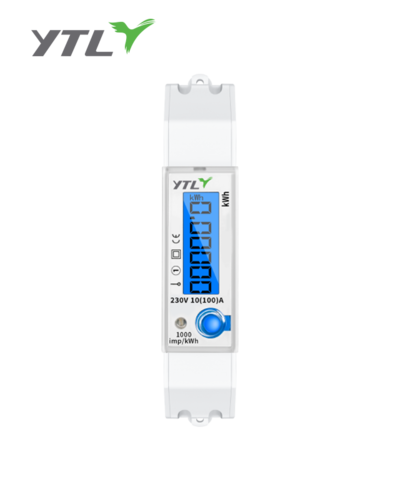
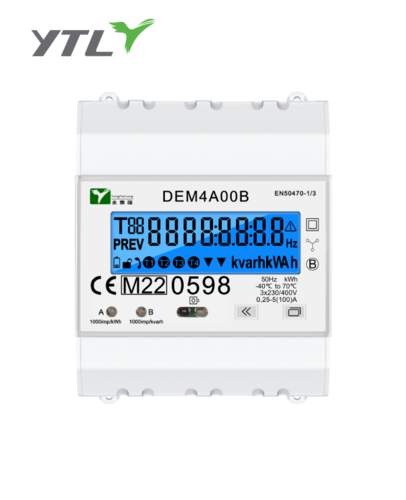
We are a leading manufacturer of high-quality smart meters. If you are a utility provider or an electrical contractor interested in reliable, accurate, and advanced metering solutions, please contact us for product specifications and collaboration opportunities.
Frequently Asked Questions (FAQs)
Q1: Is it mandatory for me to upgrade to a Smart Meter when my utility company asks me to?
A: In most regions, utility companies are rolling out smart meters as part of a modernization initiative, and they generally consider the upgrade mandatory as the old analog meters are phased out of service. While some jurisdictions may allow customers to “opt-out,” there are often conditions or fees associated with retaining an older meter or receiving a non-communicating digital meter, as it prevents the utility from realizing the full operational benefits of the smart grid.
Q2: How long does the actual meter replacement process take, and how long will my power be out?
A: The physical act of swapping the old meter with the new one is typically very quick, often taking less than 15 to 30 minutes. The power outage (de-energization period) is usually limited to this short duration. However, the total time a technician spends on site, including preparation, safety checks, and post-installation testing, may be slightly longer. The utility should provide you with an estimated power outage window when scheduling the appointment.
Q3: Who pays for the replacement if my meter is found to be old and inaccurate?
A: If the electric meter itself is determined to be faulty, inaccurate, or simply at the end of its service life due to age, the utility company is almost always responsible for the replacement costs. The meter is considered their property and a key component of their infrastructure, so its maintenance and replacement are covered by their operational budget.
Q4: If I install solar panels, why do I need a different type of meter?
A: Solar panels require a bi-directional meter (also known as a net meter). A standard meter only measures electricity flowing from the utility into your home. A bi-directional meter is necessary because your solar panels generate electricity that can flow in two directions:
- From the grid to your home (when solar production is low).
- From your home to the grid (when solar production is high and you are generating surplus power).
The bi-directional meter accurately tracks both flows for “net metering” billing.
Q5: What is the property owner’s responsibility regarding the meter installation area?
A: The property owner is responsible for the integrity and safety of the meter socket/base (the metal box and associated wiring where the meter plugs in) and all internal wiring/service entrance equipment. If the meter socket is rusty, damaged, or requires upgrading to a higher amperage rating, the homeowner is responsible for hiring and paying a licensed electrician to make these repairs or replacements. The utility will only install the new meter after the homeowner’s equipment is safe and up to code.
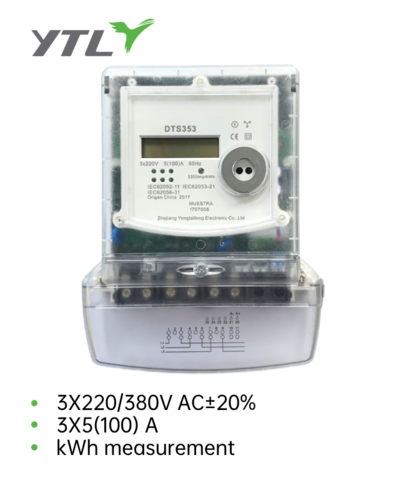
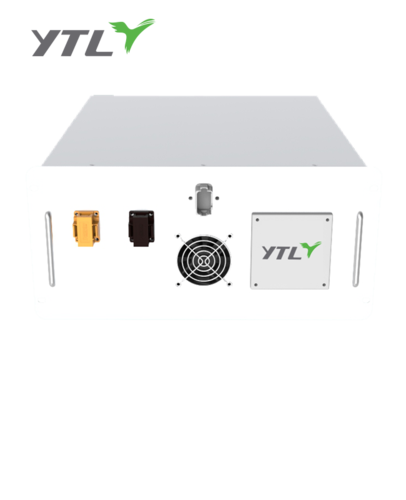
.jpg?imageView2/2/w/500/h/500/format/png/q/100 "YTL Company DTS353C DIN Rail 3P 4 Model Electricity Meter MID")
.png?imageView2/2/w/500/h/500/format/png/q/100 "YTL Two Phase Three Wire Big counter Electricity Meter")