

 English
 簡體中文
簡體中文


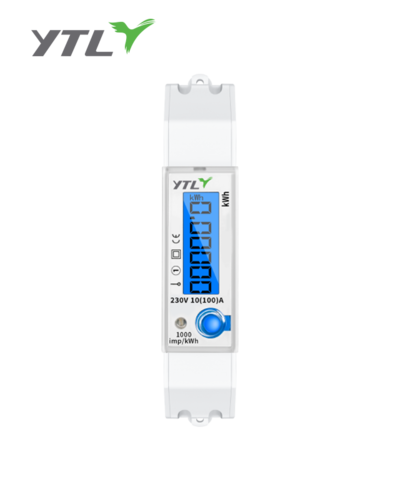
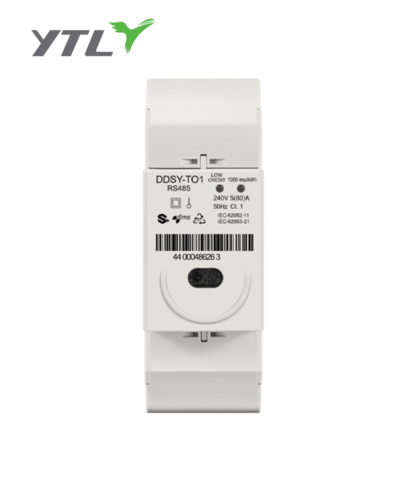
A smart electricity meter is a digital device that measures electricity consumption in real-time and transmits this data to both consumers and utility providers. This technology enables more efficient management of energy consumption and helps in facilitating a transition to a more sustainable energy grid.
Here are some key aspects and benefits of smart electricity meters:
Key Features
1. Real-Time Monitoring: Smart meters provide real-time data on electricity usage, allowing consumers to track their consumption patterns and adjust their usage accordingly.
2. Remote Communication: These meters can communicate wirelessly with utility companies, eliminating the need for manual meter readings, which leads to more accurate billing.
3. Time-of-Use Pricing: Smart meters can support dynamic pricing models, where electricity prices vary at different times of the day, encouraging consumers to use electricity during off-peak hours.
4. Home Automation Integration: They can work with smart home systems to optimize energy use, such as automatically decreasing power consumption during peak hours.
5. Power Outage Alerts: Utility companies can receive immediate notification of outages, allowing for quicker response times and restoration of services.
6. Data Analytics: Analytics tools can process the data collected to provide insights into consumption trends, helping both consumers and companies make informed decisions.
Benefits
1. Energy Efficiency: By providing detailed information about consumption, consumers can identify inefficiencies and take action to reduce waste.
2. Cost Savings: Users can save on their energy bills by shifting usage to off-peak times or by reducing overall consumption.
3. Environmental Impact: Reduced energy consumption can lead to lower greenhouse gas emissions, contributing to sustainability efforts.
4. Enhanced Grid Management: Utilities can manage energy distribution more effectively, incorporating renewable energy sources and reducing reliance on fossil fuels.
5. Consumer Engagement: Increased awareness of energy usage fosters greater consumer engagement in energy-saving practices.
Conclusion
The implementation of smart electricity meters represents a significant advancement in energy management technology. As more utilities adopt these systems, consumers can expect increased transparency in their energy usage and greater opportunities for savings and efficiency.
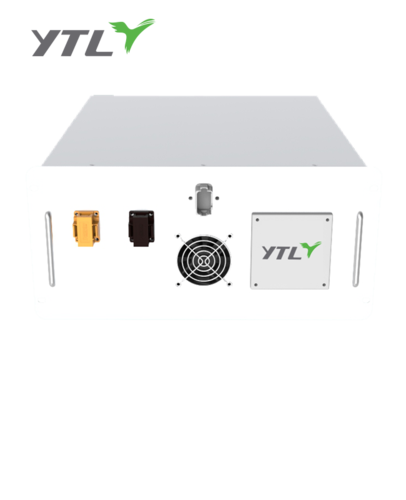
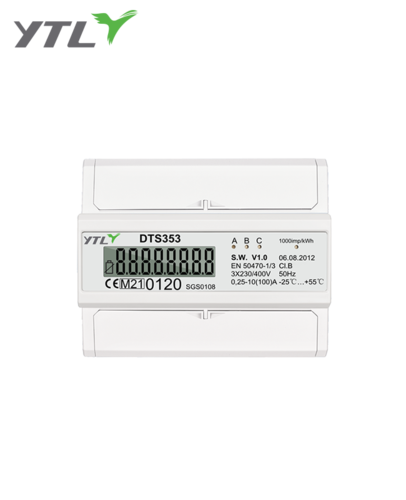
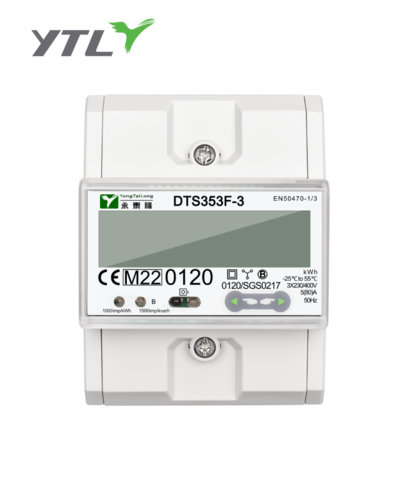
.png?imageView2/2/w/500/h/500/format/png/q/100 "YTL Two Phase Three Wire Big counter Electricity Meter")
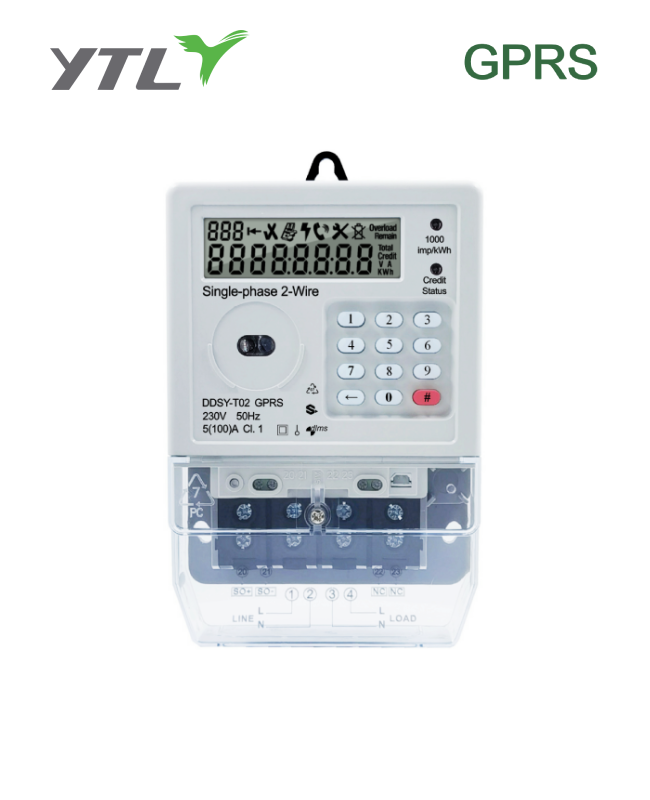
.png?imageView2/2/w/500/h/500/format/png/q/100 "YTL China Single Phase IC card Prepayment Electricity Meter")
.png?imageView2/2/w/500/h/500/format/png/q/100 "YTL Single Phase Active Electronic Electricity Meter")


